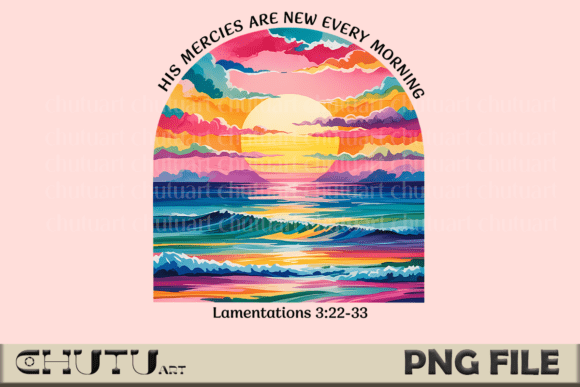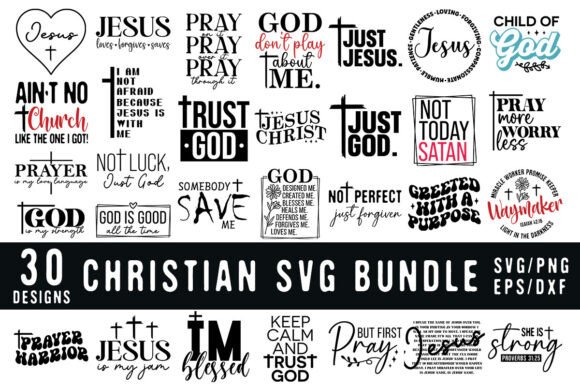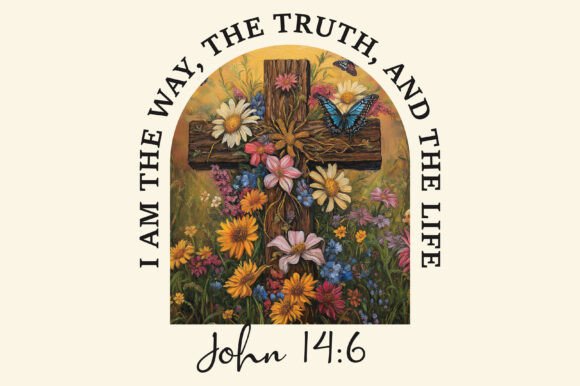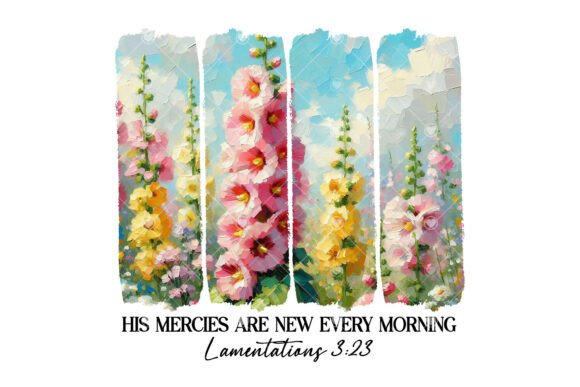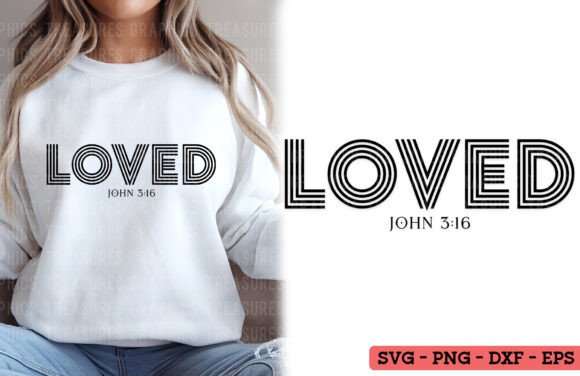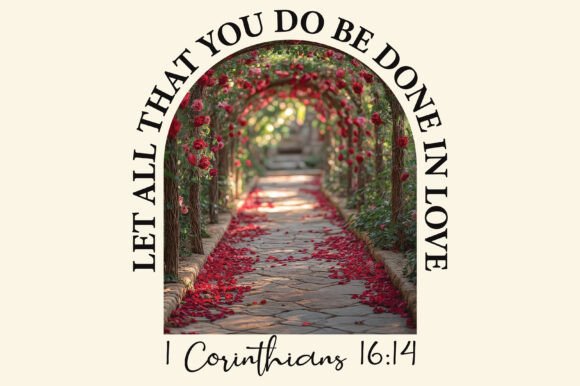
Christian Bible Verse Corinthians 16 T-Shirt Designs
First Impression: Warm, Grounded, and Quietly Confident
When I opened Christian Bible Verse Corinthians 16 for a recent branding project with “Hearth & Honey,” a small-batch honey and herbal tea brand serving our downtown farmers’ market, my immediate reaction was relief—this isn’t ornate or performative. It carries the quiet dignity of handwritten scripture, balanced with clean spacing and subtle typographic rhythm. The design feels handmade but not amateurish, reverent but not stiff. It leans into organic warmth: soft contrast, gentle kerning, and a slight texture in the letterforms that reads beautifully on kraft paper labels, linen tote bags, and ceramic mug decals. For local businesses rooted in authenticity—think candle studios, apothecary shops, or faith-aligned children’s clothing lines—it suggests sincerity over spectacle.
Where This Graphic Design Asset Earns Its Place in Real Branding
Christian Bible Verse Corinthians 16 isn’t just decorative—it functions. In our Hearth & Honey rollout, we used it as a secondary brand element across six touchpoints: product labels (as a subtle bottom-border flourish), thank-you cards tucked into gift boxes, social media story highlights (“Our Promise” series), seasonal holiday packaging accents, website banner text overlays, and printable recipe cards for lavender-honey tea blends. Crucially, it reinforced visual hierarchy without competing with the logo or product name. On their amber glass honey jars, the verse appears in muted charcoal at the base—small enough to feel intentional, large enough to invite pause. That balance is rare in ready-made design assets.
Strengths for Small Business Branding & Packaging Design
- Stronger first impression: Customers notice the care before they read the words—especially when paired with natural materials like unbleached paper or soy-based ink.
- Better product recognition: Used consistently across stickers, hang tags, and menu boards, it becomes a quiet signature—like a family crest for values-driven brands.
- Clearer visual hierarchy: Its measured weight and line length naturally guide the eye downward, supporting readability on crowded shelves or digital feeds.
- More consistent brand identity: Unlike generic clipart, this asset holds its tone whether scaled to 8pt on a tea tag or blown up for a café window decal.
- Improved customer trust: When aligned with mission-driven messaging (e.g., “Let all that you do be done in love”), it deepens emotional resonance—without feeling salesy.
Smart Applications Beyond T-Shirt Designs
Yes, Christian Bible Verse Corinthians 16 works on apparel—but its real value shines in product-centric contexts. We’ve seen it elevate: handmade soap labels (paired with botanical illustrations), boutique storefront banners (“Welcome in Love”), candle jar belly bands, florist thank-you cards, children’s product packaging (softened with rounded corners in editing), and even seasonal pop-up shop signage. As a graphic design asset, it adapts gracefully to both print and digital: SVG vector files allow crisp resizing for web banners; high-res PNGs hold transparency for layered mockups in Canva or Adobe Express. For food businesses needing FDA-compliant labels, it’s best reserved for non-regulatory zones—like the back label’s “Our Heart” section or the interior flap of a bakery box.
Where It Works Best—And Why
This asset thrives where intentionality matters most: product labels seeking soulful differentiation, packaging accents that whisper rather than shout, hero graphics for values-led landing pages, decorative brand elements on reusable shopping bags, promotional banners for church bazaars or community markets, product mockups shared on Instagram, thank-you cards that feel personal, seasonal packaging (Easter, Christmas, or “New Beginnings” launches), boutique visuals that honor craftsmanship, and social media campaign graphics centered on kindness, resilience, or community.
Cautions for Practical Brand Use
It’s not universally deployable. Avoid using Christian Bible Verse Corinthians 16 in formal corporate branding (law firms, financial advisors), very small labels (<5mm height), crowded packaging layouts (e.g., multi-ingredient skincare tubes), ingredient-heavy layouts where legibility suffers, legal disclaimer zones, low-contrast backgrounds (light gray on white), luxury minimalist brands that rely on stark negative space, or any context where decoration competes with critical information like allergen statements or net weight.
Designer Notes You’ll Actually Use
- Test it on real packaging mockups—not just screen previews—to assess scale and texture fidelity.
- Check black-and-white usage: does it retain character when printed on newsprint or recycled kraft?
- Preview it on small labels (e.g., 1.5” x 0.75”)—some versions lose nuance at tiny sizes.
- Test it with your brand colors: does charcoal work with sage green? Does warm brown harmonize with cream?
- Compare it against competitor packaging—does it stand out authentically, not just decoratively?
- Verify print quality: raster files should be ≥300 DPI at final size; vectors must open cleanly in Illustrator or Affinity Designer.
- Review PNG transparency—no stray pixels or halos around edges.
- Inspect SVG or vector editability: can you adjust stroke weight or letter spacing without distortion?
- Test it beside serif (e.g., Playfair Display), sans serif (e.g., Montserrat), script (e.g., Pacifico), handwritten (e.g., Qwigley), and display fonts (e.g., Bebas Neue)—its versatility varies.
- Confirm commercial licensing covers physical product sales, client work, and digital distribution—especially if reselling as part of a Canva template or printable design bundle.
A Design Asset That Serves the Business—Not Just the Aesthetic
In an era where small business owners juggle inventory, fulfillment, and social media, Christian Bible Verse Corinthians 16 stands out because it *works*—not just as T-Shirt Designs, but as functional, emotionally intelligent design assets. It supports professional branding without demanding heavy customization. It helps handmade businesses signal values without slogans. And for local brands building trust one jar, candle, or card at a time, it quietly says: We made this with care—and meant every word.