Christian Mama White Lace PNG, Lace Mama
A Soft, Reverent Whisper—Not a Shout
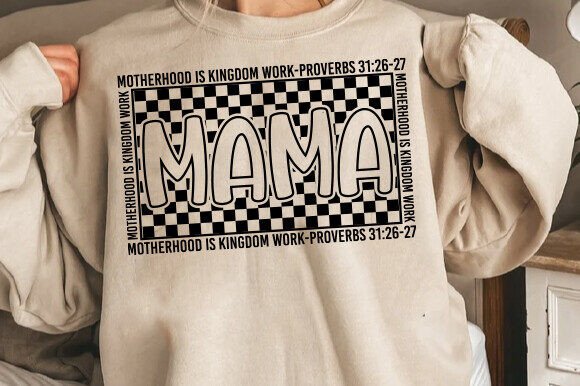
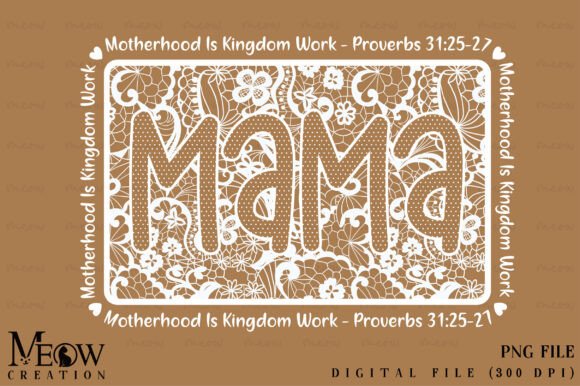
First glance at Christian Mama White Lace PNG, Lace Mama tells you this isn’t a bold statement piece—it’s a quiet affirmation. Delicate lace motifs frame gentle script lettering, with subtle floral flourishes and openwork spacing that breathes. It leans into warmth, humility, and intentionality—not evangelism by volume, but by presence. As a designer who’s stitched hundreds of faith-based pieces for boutiques and custom orders, I immediately pictured it on a cream linen apron for a church bake sale volunteer, or the front pocket of a soft cotton baby romper gifted to a new mom. It feels personal, not promotional.
Where It Lives Best: Thoughtful, Textured, Touchable
This design thrives where tactility matters. I recently tested Christian Mama White Lace PNG, Lace Mama on a heavyweight organic cotton tote bag—no lining, no stiffening—and the result was exactly what I hoped for: elegant without stiffness, reverent without rigidity. The lace elements translated beautifully in satin stitch, catching light just enough to read as “hand-finished,” even though it’s machine-embroidered. It also worked well on a lightweight sweatshirt (medium-weight fleece), especially when paired with a tear-away + cutaway stabilizer combo—critical for holding those fine lace outlines without puckering.
It’s equally at home on nursery decor: think pillow covers, muslin swaddles, or tea towels for a baby shower gift. On a pale pink gauzy blanket? Yes—but only with ultra-light stabilizer and reduced density. On a dark fabric like navy twill? Absolutely—just confirm your thread color (ivory or ecru works better than stark white) and preview the design in grayscale mockups first. That contrast check saves hours of rehooping later.
Where to Pause—and Plan Ahead
Christian Mama White Lace PNG, Lace Mama isn’t built for every surface. Avoid tight curves like cap fronts unless you’re using a small-format version (check your file variants—if none exist, scale down *cautiously* and test). The lace edges and thin connecting stems don’t hold up well on highly stretchy knits (think ribbed t-shirt neckbands) without significant digitizing tweaks—or better yet, a simple applique adaptation.
Thin fabrics like voile or rayon challis need extra care: high stitch density can overwhelm them. I recommend reducing fill stitch density by 15–20% and switching delicate lace sections to running stitch outlines where possible. And if you're stitching for commercial resale—especially on items meant for frequent washing like kitchen towels or baby onesies—confirm whether the design includes underlay stitches beneath fine details. Without them, lace motifs can fray or lose definition over time.
Real-World Fit: A Boutique Sweatshirt Launch
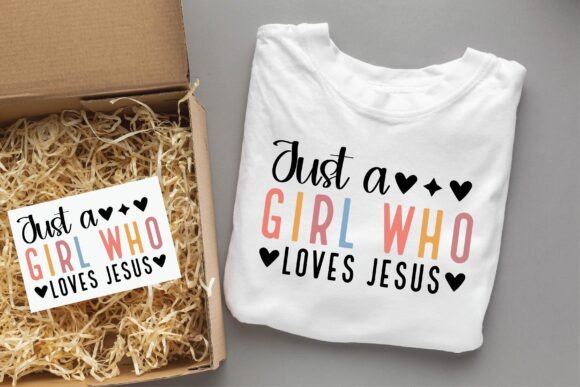
Last month, I used Christian Mama White Lace PNG, Lace Mama as the centerpiece for a limited-run collection of oversized oatmeal sweatshirts sold through a local Christian women’s co-op. We placed it centered on the chest—small enough to feel intentional, large enough to read clearly. Customers responded strongly to its subtlety: “It doesn’t scream ‘religion’—it feels like something my mom would wear,” one wrote. That’s the power here. It supports brand consistency for values-driven craft businesses without leaning into cliché. It reads as handmade, not mass-produced—even when stitched on a commercial multi-head machine.
What It Adds—Beyond the Thread
This design elevates perceived value because it *feels* considered. The spacing between letters, the rhythm of the lace repeats, the balance of negative space—it all signals craftsmanship. For Etsy sellers, that translates directly to higher trust and fewer “Is this really hand-embroidered?” questions. For holiday embroidery or personalized gifts, it avoids seasonal saturation (no angels, no halos, no overt symbols)—making it timeless across Easter, Mother’s Day, baptisms, or just “I see you, mama” moments.
It also performs well in digital contexts: clean vector-ready outlines make it easy to drop into printable mockups, social media banners, or product listing thumbnails. Just remember—if you’re selling finished embroidered items, verify licensing terms before listing. If you’re reselling the embroidery file itself, ensure it’s cleared for commercial embroidery use (not just personal).
Designer Notes You’ll Actually Use
- Always test first—on scrap fabric matching your final garment’s weight, weave, and stretch.
- Check thread color contrast on both light and dark backgrounds—not just on screen.
- Review stitch density in your embroidery software; dense lace fills may need slight reduction for breathable fabrics.
- Confirm hoop size compatibility—some versions may be optimized for 4x4 hoops, others for 5x7. Don’t assume.
- Inspect tiny corners and joins—especially where script meets lace. Are they digitized to avoid thread breaks?
- Test black-and-white mockups to assess legibility and visual weight before committing to production.
- Use appropriate stabilizer: cutaway for knits, tear-away for stable wovens, lightweight fusible for sheer layers.
- Ask yourself: Does this support my brand voice? Does it serve my customer’s desire for meaning *and* beauty—not just messaging?
Final Thought: A Design That Honors the Hand Behind It
Christian Mama White Lace PNG, Lace Mama isn’t flashy—but then, neither is most of the work we do as embroidery designers and small shop owners. It’s steady. It’s kind. It leaves room for the person wearing it—and the person stitching it—to bring their own story. Whether you’re building a T-Shirt Designs line, launching a craft business, or stitching one-of-a-kind gifts for your church community, this design earns its place not by shouting, but by staying true. That’s rare. And worth every careful stitch.